
Electrical Fault Finding

Electrical Fault Finding in Newport Pagnell and Milton Keynes

Electrical faults aren’t just inconvenient—they can be dangerous. Flickering lights, tripped circuits, or malfunctioning outlets often signal underlying issues that require professional attention.

Fault finding is the systematic process of identifying, diagnosing, and resolving electrical problems in your home or business. This essential service ensures your property remains safe, fully functional, and compliant with UK electrical standards.

As a fully qualified local electrician, I provide reliable electrical fault finding services in Milton Keynes and Newport Pagnell, addressing issues quickly and efficiently to give you peace of mind.

Why Electrical Fault Finding Matters

Electrical faults are not always immediately obvious. Many problems can remain hidden for long periods, gradually affecting the performance of your electrical system while creating serious safety risks. Undetected faults can lead to power outages, damaged equipment, electric shocks, or even electrical fires if left unresolved.

Professional electrical fault finding allows issues to be identified quickly and accurately before they escalate into more costly or dangerous problems. It also helps ensure your electrical installation remains compliant with the requirements of BS 7671 Wiring Regulations, providing reassurance that your property is operating safely and meeting current electrical safety standards.

Common Signs You Need Electrical Fault Finding

There are several warning signs that may indicate an underlying electrical fault within your property. Frequent tripping of circuit breakers or RCDs often suggests an overloaded circuit, faulty wiring, or a defective appliance. Buzzing, crackling, or unusual noises coming from switches, sockets, or consumer units should never be ignored, as they can indicate loose connections or overheating components.

Flickering or dimming lights, particularly when other appliances are switched on, may point to voltage issues, overloaded circuits, or deteriorating wiring. Burning smells, scorch marks, or discolouration around sockets and switches can indicate excessive heat build-up and require immediate attention. Dead sockets or switches that suddenly stop working, as well as experiencing mild electric shocks when touching appliances or outlets, are also clear signs that professional electrical fault finding is required.

What Causes Electrical Faults?

Electrical faults can occur for many different reasons, ranging from normal wear and tear to damaged components or poor installation practices. Overloaded circuits are a common cause, particularly when multiple high-powered appliances are connected to the same circuit, placing excessive demand on the electrical system and causing protective devices to trip.

Damaged wiring is another frequent issue and may result from ageing cables, water ingress, accidental damage, or even rodent activity. Loose or poorly terminated connections inside sockets, switches, junction boxes, or consumer units can create intermittent faults, overheating, and potential fire hazards. In some cases, the source of the problem may not be the electrical installation itself but a faulty appliance that is causing the circuit to malfunction. Professional fault finding helps accurately locate the root cause, ensuring the issue is repaired safely and effectively.

How a Professional Electrician Conducts Electrical Fault Finding

Professional electrical fault finding begins with a thorough visual inspection of your electrical installation. An experienced electrician will check for obvious signs of damage, overheating, loose connections, burning, or deterioration that may indicate the source of the problem. While some faults are immediately visible, many require specialist diagnostic equipment to accurately identify the cause.

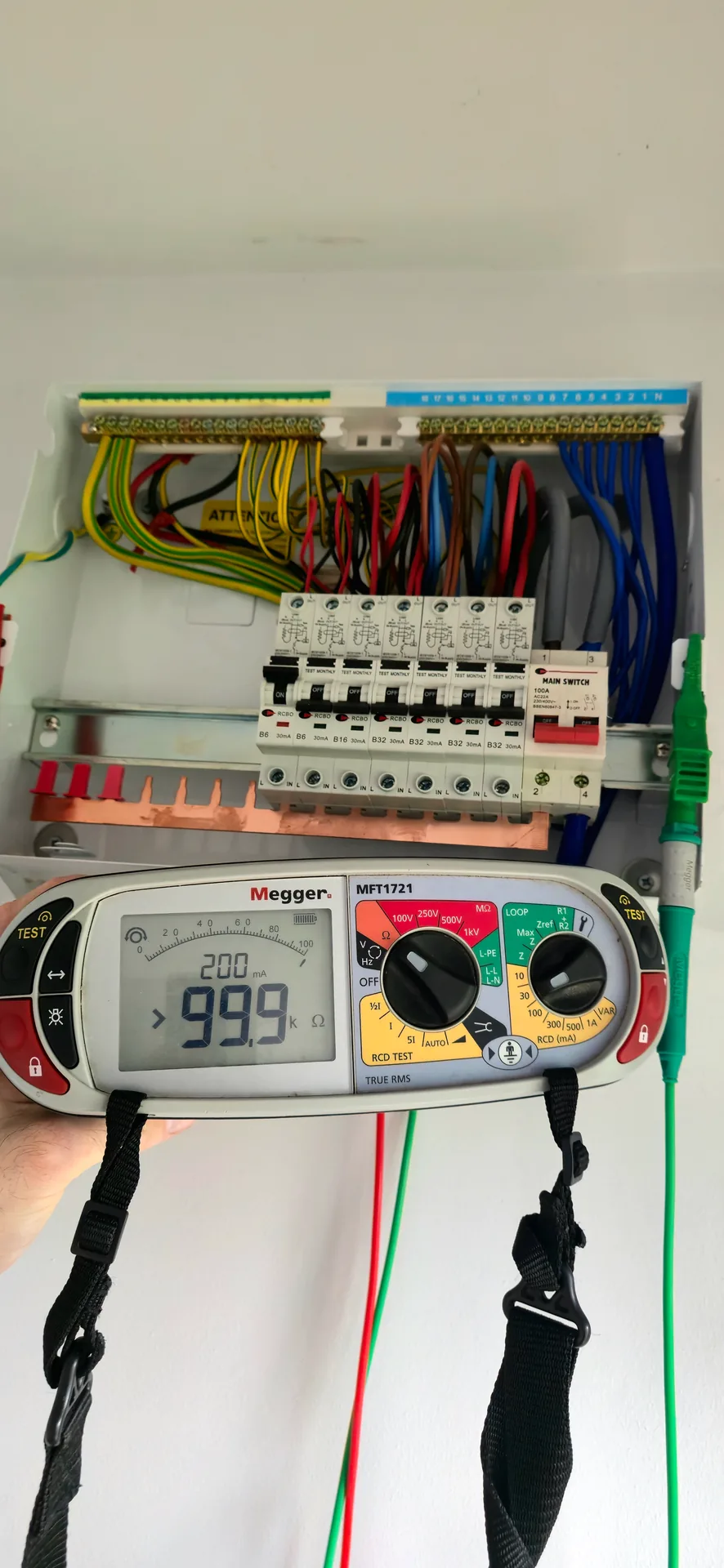
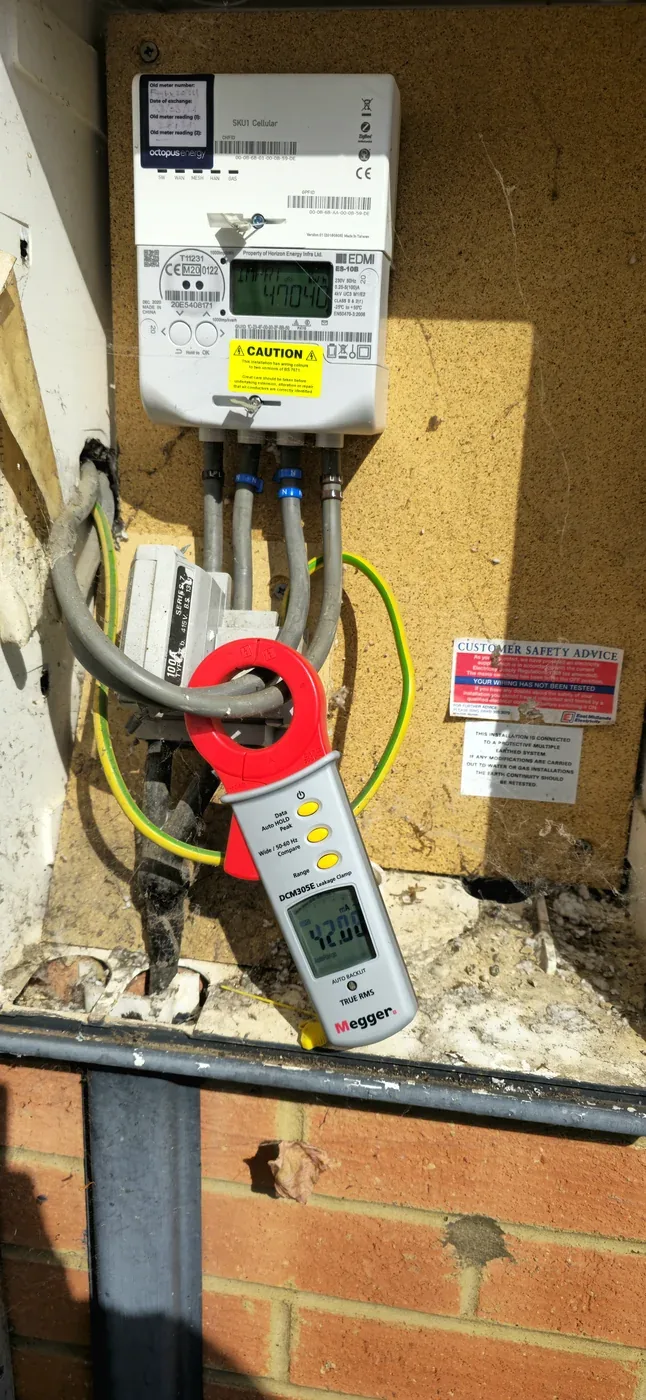
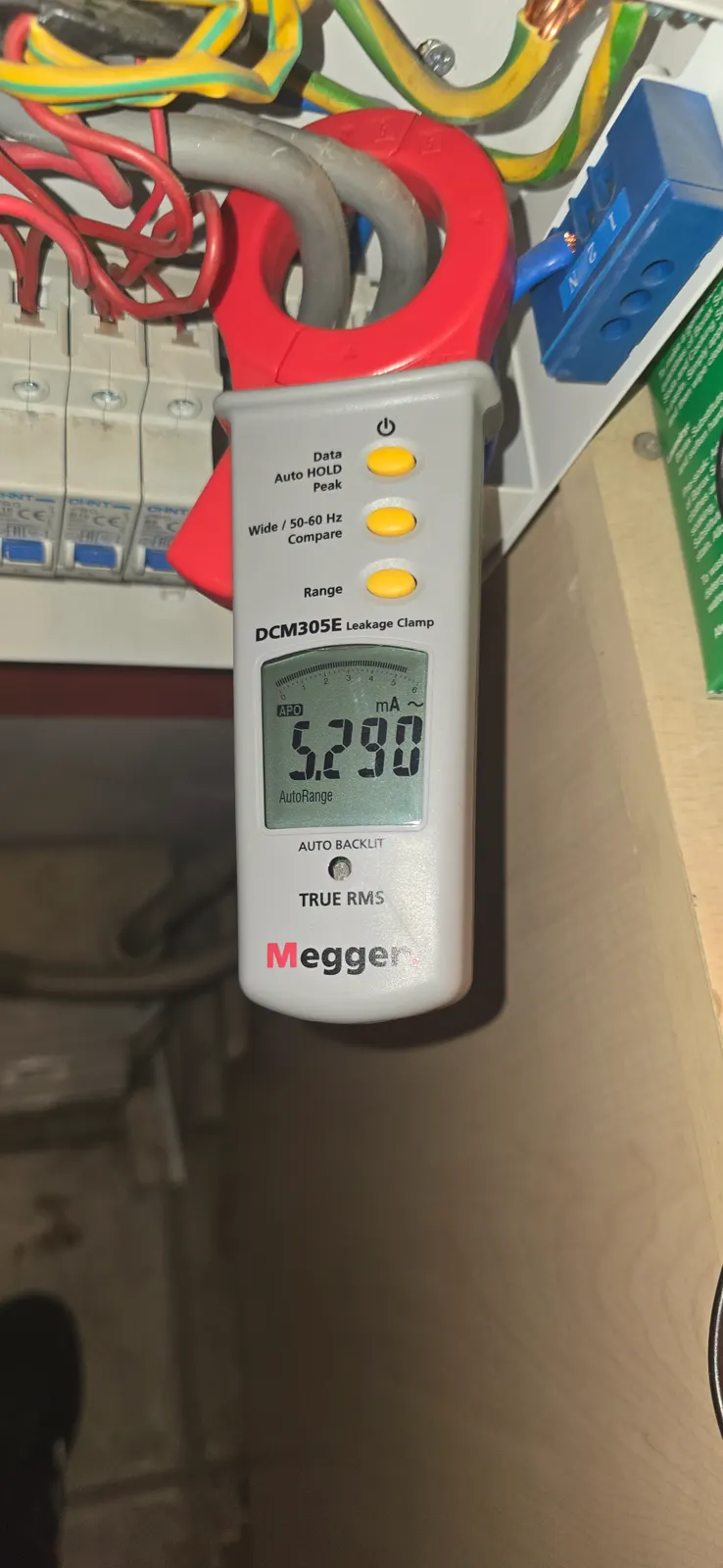
Comprehensive circuit testing is then carried out using professional instruments such as multimeters, insulation resistance testers, continuity testers, and loop impedance testers. These tests assess the condition and performance of each circuit, helping to identify issues such as damaged wiring, earth faults, short circuits, or insulation failures.

To pinpoint more complex or intermittent faults, electricians systematically isolate individual circuits and components, eliminating potential causes until the exact fault is located. Where appliances are suspected, they can also be tested separately using Portable Appliance Testing (PAT) methods to determine whether the issue lies within the appliance rather than the fixed electrical installation.

For larger commercial properties and more complex electrical systems, thermal imaging technology may also be used to identify overheating cables, overloaded circuits, loose connections, and failing electrical components that cannot be detected during a visual inspection. This non-invasive approach helps locate hidden problems before they develop into costly failures or serious safety hazards.

What Happens After an Electrical Fault Is Identified?

Once the source of the fault has been identified, the appropriate repair or replacement work is carried out to restore the safety and reliability of the electrical installation. This may involve replacing damaged wiring, faulty sockets, switches, circuit breakers, RCDs, lighting components, or other defective electrical equipment.

Following the repair, the affected circuits are thoroughly retested to verify that the fault has been completely resolved and that the installation is operating safely in accordance with the requirements of BS 7671 Wiring Regulations. Where applicable, an Electrical Installation Certificate (EIC), Minor Electrical Installation Works Certificate (MEIWC), or other relevant certification may be issued to confirm that the work has been completed to the required standards and complies with current electrical safety regulations.

Preventing Future Electrical Faults

Preventative maintenance is the most effective way to minimise the risk of electrical faults and avoid unexpected breakdowns. Regular electrical inspections, including Electrical Installation Condition Reports (EICRs), can identify signs of wear, deterioration, or potential hazards before they become serious problems. Early detection not only improves safety but can also reduce repair costs and extend the lifespan of your electrical installation.

Using high-quality electrical components and ensuring all installation work is carried out by qualified electricians significantly reduces the likelihood of future faults. Proper load management is equally important, with high-demand appliances distributed across dedicated circuits to prevent overloading and nuisance tripping. Installing Surge Protection Devices (SPDs) also provides valuable protection against voltage spikes caused by lightning strikes or fluctuations in the electricity supply, helping to safeguard both your electrical installation and valuable electronic equipment.

By investing in professional electrical fault finding, routine inspections, and preventative maintenance, homeowners and businesses can improve electrical safety, maintain compliance, reduce downtime, and ensure their electrical systems continue to operate efficiently and reliably for years to come.

Preventing Future Electrical Faults

Preventative maintenance is the most effective way to reduce the risk of electrical faults and keep your electrical installation operating safely and efficiently. Regular electrical inspections, including Electrical Installation Condition Reports (EICRs), allow qualified electricians to identify early signs of wear, deterioration, or potential hazards before they develop into more serious and costly problems. Routine inspections not only improve safety but also help ensure your property remains compliant with the latest BS 7671 Wiring Regulations.

Using high-quality wiring, accessories, and electrical components during installations and repairs can significantly improve the reliability and lifespan of your electrical system. Correct load management is equally important, ensuring high-power appliances are distributed across dedicated circuits to prevent overloading, nuisance tripping, and unnecessary strain on your electrical installation. Installing Surge Protection Devices (SPDs) also provides valuable protection against voltage spikes caused by lightning strikes or fluctuations in the electricity supply, helping to safeguard sensitive electronics, appliances, and electrical equipment from costly damage.

When Should You Call a Professional Electrician?

Electrical problems should never be ignored, as even minor faults can quickly develop into serious safety hazards. If your consumer unit, fuse board, circuit breakers, or RCDs trip repeatedly, it is a clear indication that your electrical system requires professional investigation. Burning smells, scorch marks around sockets or switches, buzzing noises, or visible signs of overheating should always be treated as urgent warning signs that require immediate attention.

You should also contact a qualified electrician if parts of your property experience partial or intermittent power loss, if sockets or lighting circuits stop working unexpectedly, or if you notice sparks or receive even the slightest electric shock when using electrical equipment. These symptoms may indicate hidden wiring faults or defective electrical components that could pose a significant fire or shock risk if left unresolved.

Professional electrical fault finding is also highly recommended before buying or selling a property. An Electrical Installation Condition Report (EICR) provides an independent assessment of the condition and safety of the electrical installation, identifying any defects or non-compliances before a property transaction is completed. Early diagnosis and expert repairs help protect your property, ensure legal compliance, and provide complete peace of mind that your electrical system is safe, reliable, and operating as intended.

ready to get started

GET YOU FREE QUOTE TODAY IN 4 SIMPLE STEPS

Getting professional electrical services in Newport Pagnell has never been easier. If you’re looking for a reliable local electrician, our simple 4-step process makes it quick and straightforward to get the help you need for your home or business.

We also provide services across Milton Keynes and surrounding areas, ensuring every job is completed by a fully qualified electrician working safely and in line with current UK regulations.

Whether you need a small repair, an electrical installation or expert advice, you can expect a professional, dependable service designed to give you complete peace of mind.

Testimonials

5 STAR REVIEWS

As a fully qualified and insured electrician based in Newport Pagnell, I take pride in delivering professional, high-quality electrical services to homes and businesses across Newport Pagnell, Milton Keynes, Olney, Bletchley, and surrounding areas. My goal is to ensure every job is completed safely, efficiently, and to the highest standard.

I have built a strong reputation for reliability, trustworthiness, and excellent customer service throughout the local area. Whether it’s a small repair, full electrical installation, or ongoing maintenance, every project is carried out with care and attention to detail.

See what customers across Newport Pagnell and Milton Keynes have to say below, with live 5-star Google reviews.