
As the world moves toward sustainable transportation, electric vehicle (EV) chargers play a vital role in supporting the growing adoption of electric vehicles. EV chargers allow vehicle owners to recharge their batteries efficiently, ensuring longer driving ranges, convenience, and reliable performance. This guide explores the different types of EV chargers, charging speeds, installation locations, charging networks, and emerging trends that are shaping the future of EV charging infrastructure.
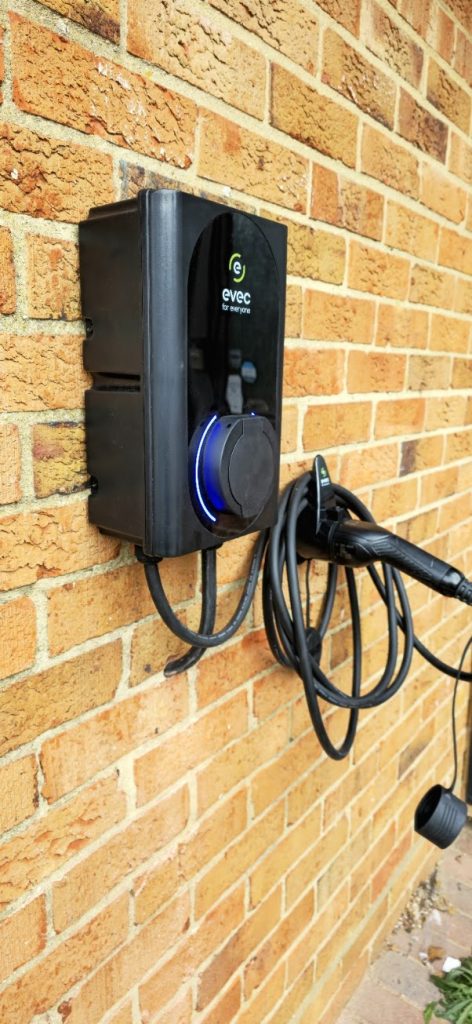
There are several types of electric vehicle chargers, each offering different charging speeds and suitability depending on your needs and vehicle type.
Level 1 chargers use a standard domestic socket and are typically supplied with the vehicle. While convenient, they provide the slowest charging speed and are best suited for occasional or overnight charging.
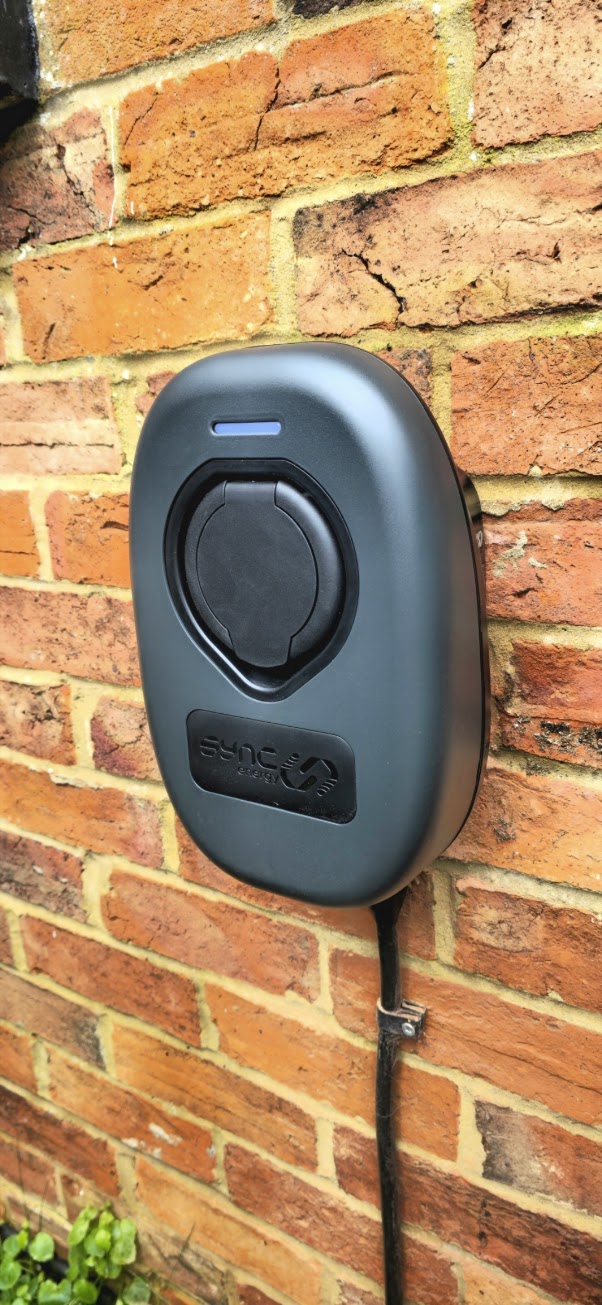
Level 2 chargers are the most popular option for home and workplace installations. They offer significantly faster charging times and are ideal for daily EV use. A professionally installed Level 2 charger ensures safe, efficient, and reliable charging.
Rapid chargers are commonly found in commercial and public locations. They deliver high-power charging, allowing EVs to reach up to 80% charge in a short time. These systems require specialist installation and higher electrical capacity.
EV chargers can be installed in a variety of locations, depending on usage requirements:
Residential properties – Home EV charger installation for everyday convenience
Commercial premises – Offices, retail sites, and industrial units
Public and shared spaces – Car parks and communal areas
At Chilvers Electrical, we provide professional EV charger installation in Milton Keynes and Newport Pagnell, ensuring installations are compliant, safe, and tailored to your property.
Charging speed depends on the charger type, vehicle compatibility, and available power supply. Installing the right EV charger can significantly reduce charging time while improving energy efficiency. Our qualified electricians assess your electrical system to recommend the most suitable solution.
Many modern EV chargers include smart technology, allowing users to monitor charging, schedule off-peak usage, and track energy consumption via mobile apps. Smart chargers are ideal for reducing energy costs and managing charging more efficiently.
As EV adoption continues to grow, charging infrastructure is rapidly evolving. Future trends include faster charging technology, increased public charging availability, smart energy integration, and compatibility with renewable energy systems such as solar panels.
Fully qualified and insured electricians
Experience with home and commercial EV chargers
Safe, compliant installations
Honest advice and tailored solutions
Serving Milton Keynes, Newport Pagnell, and surrounding areas
For reliable and professional EV charger installation in Milton Keynes, contact Chilvers Electrical today. Please fill in the form below and we will get back to you promptly to discuss your requirements.
EV chargers can be found in a wide range of locations to support everyday driving and long-distance travel. Common EV charger locations include homes, workplaces, public car parks, retail centres, motorway services, and commercial premises. Installing an EV charger at home or work provides convenience, reliability, and cost savings for EV owners.
EV owners often rely on well-known charging networks such as Tesla Superchargers, ChargePoint, and other public charging providers. Charging apps allow users to locate nearby chargers, check real-time availability, monitor charging status, and in some cases reserve a charging point in advance. These networks make EV ownership more practical and accessible.
The growing number of electric vehicles increases demand for EV charging, which can place additional strain on local electricity grids. However, several effective solutions are helping manage this demand efficiently.
Smart charging technology adjusts charging times based on grid demand, helping prevent overload during peak hours. This ensures a balanced energy supply while reducing strain on infrastructure.
Many EV chargers are now powered by renewable energy sources, such as solar power. This reduces environmental impact and supports sustainable energy use while charging electric vehicles.
The EV charging industry continues to evolve, with several exciting developments shaping the future:
Wireless or inductive charging technology will allow electric vehicles to charge without physical cables, using magnetic fields for seamless energy transfer.
V2G systems enable EVs to return stored energy back to the grid, helping balance supply and demand while improving overall energy efficiency.
New ultra-fast chargers are being developed to deliver hundreds of miles of range in just minutes, significantly reducing charging times.
Integrating EV chargers with solar power systems offers a cleaner, more sustainable way to charge electric vehicles while lowering energy costs.
Getting professional electrical services has never been easier. Follow our simple 4-step process to have your home or business safely and efficiently handled by a fully qualified electrician.
I also offer expert electrical safety inspections (EICR) to ensure your home or business is up to code and free from potential hazards. Additionally, I can assist with energy-efficient lighting solutions, helping you reduce energy bills while minimising environmental impact.
With my experience and knowledge, I can guide you on the best electrical solutions for your property, ensuring maximum safety, efficiency, and peace of mind.


Have a project?
Call Now

