
When it comes to electrical safety, two essential inspections stand out: EICR (Electrical Installation Condition Reports) and PAT Testing (Portable Appliance Testing). Both are designed to ensure that electrical systems and appliances are safe, compliant with current regulations, and free from potential hazards.
At Chilvers Electrical, we provide professional EICR and PAT testing in Milton Keynes and Newport Pagnell, helping homeowners, landlords, and businesses meet legal requirements and maintain safe properties. Below is everything you need to know about these vital electrical safety checks.
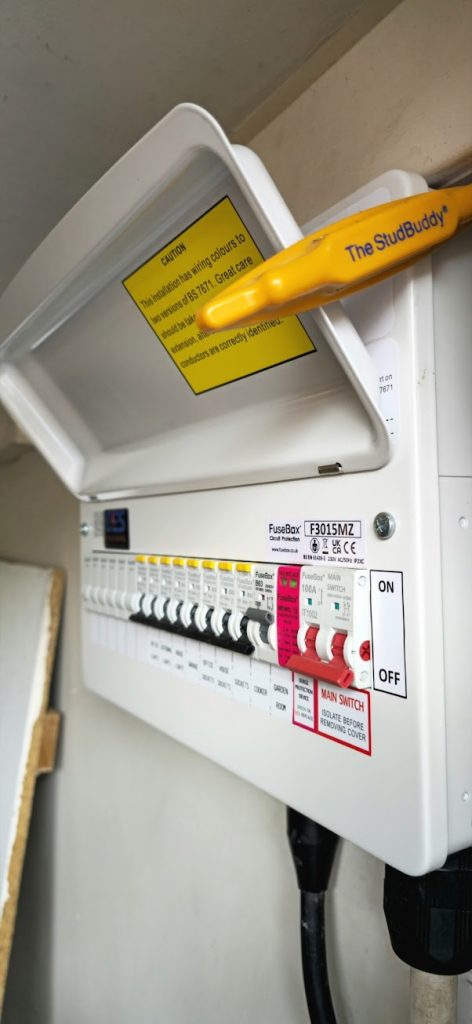
When it comes to electrical safety, two essential inspections stand out: EICR (Electrical Installation Condition Reports) and PAT Testing (Portable Appliance Testing). Both are designed to ensure that electrical systems and appliances are safe, compliant with current regulations, and free from potential hazards. These safety checks are vital for homeowners, landlords, and businesses alike.
An EICR is a detailed inspection and testing process of a property’s fixed electrical installations. This includes wiring, consumer units (fuseboards), sockets, switches, and lighting circuits. The purpose of an EICR is to assess the overall condition of the electrical system and identify any issues that could pose a safety risk.
Overloading – Circuits carrying excessive current, increasing the risk of overheating and fire
Deterioration – Worn or damaged cables and components that may lead to electrical faults
Improper Installation – Electrical work that does not meet current safety regulations
Earthing and Bonding Issues – Inadequate earthing that increases the risk of electric shock
The EICR report provides a clear summary of the system’s condition, highlighting any faults found and recommending necessary repairs or upgrades to ensure compliance and safety.
Residential Properties – Every 10 years, or when a new tenant moves in
Commercial Properties – At least every 5 years
Landlords – Legally required to carry out an EICR every 5 years to comply with safety regulations
Regular EICR testing helps prevent electrical faults, protects occupants, and ensures legal compliance.
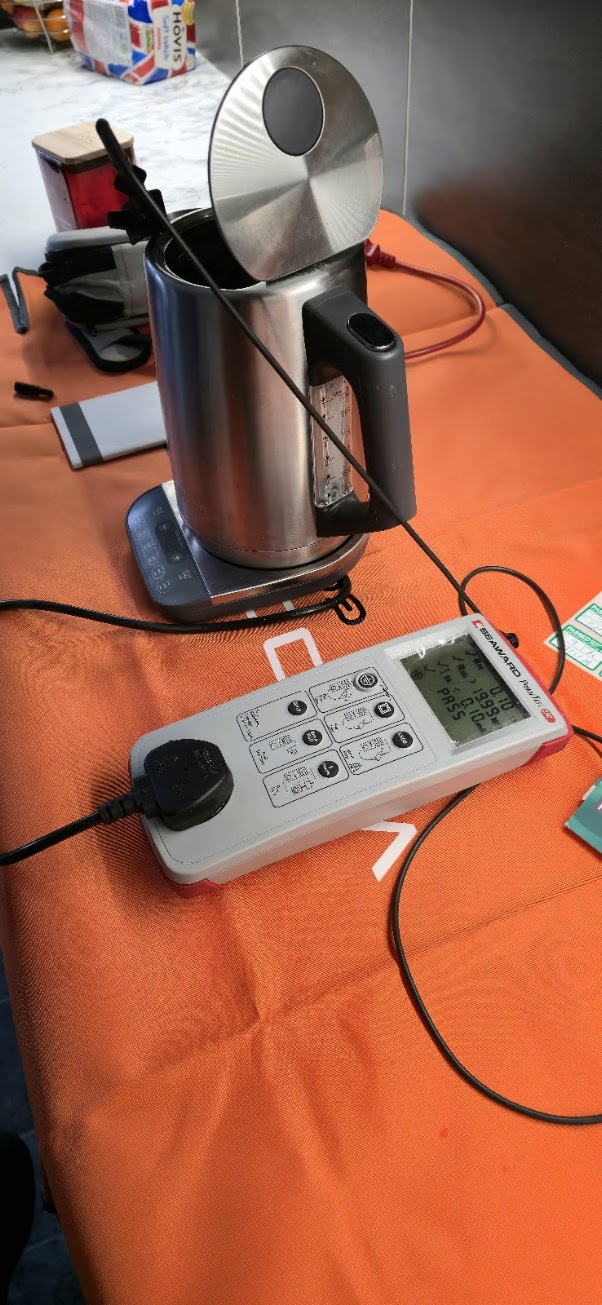
PAT Testing involves the inspection and testing of portable electrical appliances to confirm they are safe to use. This applies to any appliance that plugs into a socket, including computers, kettles, microwaves, fridges, power tools, and office equipment.
PAT testing helps identify damaged cables, faulty plugs, and internal faults that could lead to electric shock or fire, making it an essential safety check for workplaces, rental properties, and commercial environments.
PAT Testing involves a combination of visual inspections and electrical testing to ensure appliances are safe for continued use.
Visual Inspection – Checking appliances, plugs, and cables for visible signs of damage, wear, or overheating
Electrical Tests – Testing insulation resistance, earth continuity, and leakage to confirm electrical safety
Functionality Checks – Ensuring the appliance operates correctly and safely
The goal of PAT Testing is to identify defects that could lead to electric shock, fire, or other safety risks, making it especially important in workplaces, rental properties, and public environments.
The frequency of PAT Testing depends on the type of appliance and how it is used:
High-Risk Appliances – Construction tools, kitchen equipment, and industrial machinery should be tested more frequently, typically annually or as recommended
Low-Risk Appliances – Office equipment such as computers and monitors may require less frequent testing, but regular visual checks are still essential between formal PAT tests
A qualified electrician can advise on the appropriate testing schedule based on risk and usage.
While PAT Testing itself is not a legal requirement, the Health and Safety at Work Act 1974 requires employers and property owners to ensure that electrical equipment is safe to use and properly maintained. PAT Testing is a recognised and effective way to demonstrate compliance with these legal obligations.
| Aspect | EICR (Electrical Installation Condition Report) | PAT Testing (Portable Appliance Testing) |
|---|---|---|
| Scope | Fixed electrical installations (e.g., wiring, circuit boards) | Portable electrical appliances (e.g., laptops, fridges, power tools) |
| Frequency | Every 5-10 years (depending on property type) | More frequent, based on appliance type and usage |
| Regulation | Essential for compliance with electrical safety regulations | Helps comply with general safety and health regulations |
Both EICR and PAT Testing play a vital role in maintaining electrical safety and meeting legal responsibilities. An EICR ensures the integrity of a building’s fixed electrical system, while PAT Testing confirms that portable appliances remain safe to use.
By carrying out both inspections regularly, homeowners, landlords, and businesses can reduce the risk of accidents, prevent electrical faults, and ensure full compliance with safety regulations.
For professional EICR and PAT testing in Milton Keynes and Newport Pagnell, contact Chilvers Electrical today. Please fill in the form below and we will get back to you promptly to arrange your inspection.
Getting professional electrical services has never been easier. Follow our simple 4-step process to have your home or business safely and efficiently handled by a fully qualified electrician.
I also offer expert electrical safety inspections (EICR) to ensure your home or business is up to code and free from potential hazards. Additionally, I can assist with energy-efficient lighting solutions, helping you reduce energy bills while minimising environmental impact.
With my experience and knowledge, I can guide you on the best electrical solutions for your property, ensuring maximum safety, efficiency, and peace of mind.


Have a project?
Call Now

